



Description
Mandarin Thorny (Citrus x Deliciosa)
The Thorny Mandarin, as it’s known in Australia, actually has many different names across the globe! Depending on the region, it may sometimes be called the Mediterranean mandarin or the Willowleaf mandarin.
In the land down under, we call it the Thorny because it does, in fact, have some small thorns. They’re short and flimsy, but they can still give you a startle when harvesting, so it’s best to be cautious.
It first appeared in Italy, possibly sometime in the early 1800’s and has been widely grown around the Mediterranean region ever since.
From a commercial perspective, it had been quite a significant variety as so much of it can be used, even the leaves and tree clippings. The fruit is obviously eaten, but its rind, flower petals, and leaves are all used for the oils they contain.
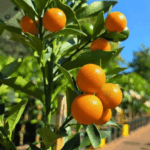
As a tree, the Thorny mandarin is quite pretty, with long, narrow leaves that grow densely on its willowy branches. It’s naturally a relatively thick grower, though it’s still easy to keep compact with light trimming on the regular.
Due to their origin, they can be relatively cold-tolerant as well, though this may take some time to acclimate since we still graft them just outside of Sydney.
The fruit, like many other mandarins, is typically round and somewhat flatter at both ends with a decently easy to peel skin which loosens further as they ripen.
It ripens to a lighter, bright orange colour and is known to be particularly sweet and juicy with a distinct scent and flavour.
The reason it’s not seen commonly in grocery stores is likely due to its shorter shelf-life, but of course, that makes it an excellent option for the home gardener who can pick and eat these lovely mandarins when they’re perfectly ripe.
Despite being considered a ‘medium-size’ fruit, as with any mandarin, larger crops can mean the fruit will be a little smaller. You can try to mitigate this by thinning out the crop so the tree can spend more of its energy on the remaining fruit.
Something to note is that this tree can sometimes be a bi-annual producer, even if it’s well fed and even if you regularly thin out the crops. It may just skip a season.
In our opinion, the fruit is worth the wait, and the tree is actually rather ornamental thanks to its dense leaves and delicate branches, so it’ll at least provide a beautiful looking specimen even without the fruit.
For our citrus care recommendations, please check our Help & Advice page!